2022 3D Typography Illustration: Redefining Visual Communication in the Digital Age
The visual landscape of the internet has shifted dramatically over the last few years, moving away from flat, minimalist designs toward immersive, tactile experiences. At the forefront of this transformation is 2022 3D Typography Illustration. This design movement is not merely a stylistic choice; it represents a fundamental change in how brands communicate emotion, depth, and narrative to their audiences. For professionals, creators, and business owners navigating a saturated digital market, understanding the nuances of 3D typography rendering is no longer optional—it is essential.
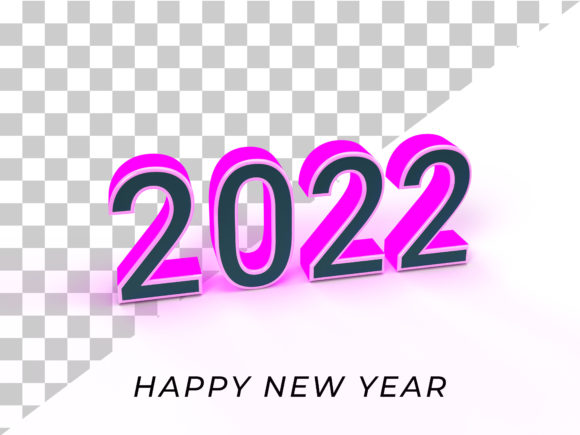
Gone are the days when text was simply a vehicle for information. Today, type is an object. It possesses weight, texture, lighting, and spatial presence. The rise of high-resolution assets, such as exclusive background designs rendered in JPEG and PNG formats at 5000 by 3000 pixels, has empowered designers to create visuals that command attention without overwhelming the viewer. This article explores the evolution, practical applications, and future implications of this dynamic medium.
The Evolution from Flat to Volumetric Design
To understand why 2022 3D Typography Illustration has become so prevalent, we must look at the trajectory of digital art. For nearly two decades, the web design world was dominated by skeuomorphism and later, Material Design, which prioritized clarity and usability through flat interfaces. However, as screen real estate expanded and hardware capabilities improved, users began craving more sensory engagement. They wanted to "feel" the interface.
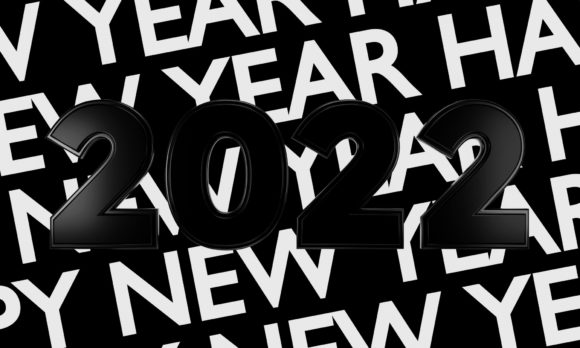
This demand led to the resurgence of volumetric design. In 2022, the focus shifted from creating simple extrusions to crafting complex scenes where typography interacts with light, shadow, and environment. Unlike earlier attempts at 3D text that often looked stiff or artificial, modern workflows allow for organic integration. Designers can now simulate glass, metal, clay, or fabric textures on letterforms, making them feel tangible even on a two-dimensional screen.
The relevance of this shift cannot be overstated. As users scroll through endless feeds on social media and news sites, static images fail to stop the eye. A piece of 2022 3D Typography Illustration creates a focal point. It breaks the monotony of flat layouts, offering a sense of discovery that encourages deeper engagement. Whether for a marketing campaign, a blog header, or a product launch, the ability to render text as a physical object adds a layer of sophistication that resonates with adult audiences aged 20 to 50 who have developed a keen eye for quality.
Technical Mastery: Resolution and Format in Modern Workflows
One of the most critical aspects of this design trend is the technical execution, specifically regarding resolution and file format. The specification of high-resolution images, such as those measuring 5000 by 3000 pixels, is not just about size; it is about versatility and clarity across all devices.
- Scalability: High pixel counts ensure that typography remains crisp whether viewed on a mobile phone, a tablet, or a massive desktop monitor. This is crucial for businesses that need consistent branding across various touchpoints.
- Format Flexibility: The choice between JPEG and PNG serves different purposes. JPEGs are ideal for photographic backgrounds or complex gradients where file size needs to be managed for faster loading times. Conversely, PNG files preserve transparency, allowing the 3D text to float seamlessly over any background color or pattern without ugly white boxes.
- Exclusive Design Elements: Many 2022 collections offer exclusive designs tailored for specific contexts, such as celebrations or corporate events. These assets often include pre-rendered layers that give designers the freedom to manipulate lighting and perspective without compromising the integrity of the image.
For freelancers and agencies, having access to these high-fidelity assets streamlines the workflow. Instead of spending hours modeling basic text effects from scratch, professionals can utilize base renders and customize them to fit specific brand guidelines. This efficiency allows more time for strategic thinking and creative problem-solving.
Contextual Applications: Backgrounds and Celebrations
The beauty of 3D typography lies in its adaptability. It is rarely used in isolation; instead, it thrives when integrated into a broader visual context. One of the most popular applications in 2022 is the use of exclusive design backgrounds. These are not generic patterns but carefully crafted environments that complement the text.
Consider a scenario involving a celebration. A birthday announcement, a wedding invitation, or a company anniversary post requires a tone of joy and festivity. 2022 3D Typography Rendering excels here. By combining bold, textured letters with confetti-like particles, soft lighting, or metallic finishes, designers can evoke a sense of occasion that flat text simply cannot achieve. The depth provided by the 3D effect makes the celebration feel grander and more memorable.
Beyond celebrations, this style is highly effective for educational content and storytelling. Educators and bloggers can use 3D illustrations to highlight key concepts or chapter titles, turning dry information into engaging visual anchors. The human brain processes images 60,000 times faster than text; adding volume and dimension to that text further accelerates comprehension and retention.
For entrepreneurs and marketers, these visuals serve as powerful tools for conversion. A landing page featuring a hero section with a high-resolution 3D title can significantly increase click-through rates. The visual hierarchy created by shadows and highlights guides the user's eye naturally toward the call-to-action button, improving the overall user experience.
Practical Implications for Professionals and Creators
How does this trend impact the daily work of designers, developers, and content creators? The answer lies in the balance between aesthetic appeal and functional performance. While 3D graphics are visually stunning, they can be resource-heavy if not optimized correctly.
Professionals must adopt a strategic approach when integrating 2022 3D Typography Illustration. Here are some realistic recommendations for incorporating this style effectively:
- Optimize for Web Performance: Even with a 5000x3000 px image, proper compression is vital. Use next-gen formats like WebP alongside traditional JPEGs and PNGs to ensure fast load times without sacrificing quality. Slow-loading pages can negate the benefits of beautiful design.
- Maintain Accessibility: Ensure that the 3D text maintains sufficient contrast against its background. Depth should enhance readability, not obscure it. Screen readers may struggle with purely graphical text, so always provide alternative text descriptions for SEO and accessibility compliance.
- Focus on Narrative: Don't use 3D typography just because it is trendy. Ask yourself: Does this visual support the message? If the goal is to convey trust and stability, perhaps a solid, metallic font works best. If the goal is creativity and playfulness, a bubbly, colorful render might be more appropriate.
- Leverage Exclusive Assets: Utilize unique designs that stand out from the crowd. With the sheer volume of content online, a generic 3D template will get lost. Exclusive designs for specific themes, such as holidays or industry-specific events, help brands carve out a distinct identity.
The Future of Text-Based Visuals
Looking ahead, the trajectory of 3D typography suggests a move toward even greater interactivity. While 2022 marked the peak of static high-resolution renders, the future points toward animated 3D text that responds to user interaction. Imagine a headline that tilts as you move your mouse or changes texture based on the time of day.
However, the core principles established in 2022 remain relevant. The emphasis on high-quality rendering, thoughtful composition, and the seamless integration of text and background will continue to define successful digital design. As technology evolves, the barrier to entry for creating these visuals lowers, meaning more creators will have the tools to produce professional-grade work.
For the curious reader and the seasoned pro alike, staying informed about these developments is key. The ability to distinguish between a well-executed 3D illustration and a poorly made one is becoming a valuable skill. It demonstrates an understanding of modern aesthetics and a commitment to delivering high-value content.
In conclusion, 2022 3D Typography Illustration is more than a fleeting trend; it is a testament to the evolving capabilities of digital media. By embracing high-resolution formats like 5000x3000 px JPEGs and PNGs, and by leveraging exclusive designs for backgrounds and celebrations, creators can craft messages that resonate deeply with their audience. Whether you are building a brand, teaching a class, or sharing a personal story, the power of 3D text offers a new dimension to your voice—one that is visible, tangible, and unforgettable.