Visualizing the Crisis: The Power of Mexico Affected Country 3D Map in Pandemic Communication
In an era where data is generated at lightning speed, the ability to communicate complex information quickly and clearly has become a critical skill. Nowhere is this more evident than during global health crises. When the world faced the sudden onset of the coronavirus pandemic, traditional charts and spreadsheets often failed to convey the urgency and scale of the situation to the general public. This is where visual storytelling steps in, bridging the gap between raw statistics and human understanding. At the heart of this visual revolution lies the Mexico Affected Country 3D Map, a sophisticated design element that transforms dry numbers into compelling narratives.
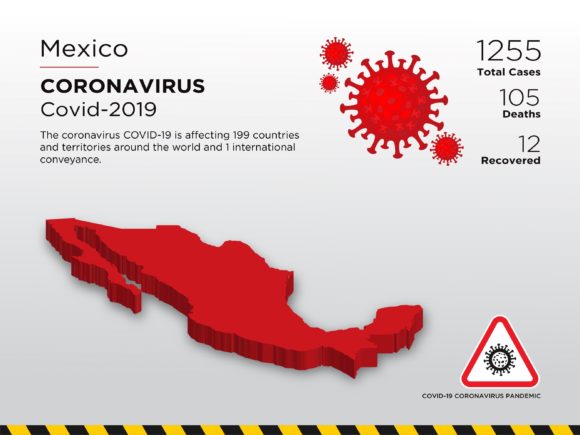
The Mexico Affected Country 3D Map is not merely a graphic; it is a strategic tool designed for modern infographics. By leveraging three-dimensional visualization, designers can create a sense of depth and immediacy that flat maps simply cannot achieve. This depth allows viewers to intuitively grasp the magnitude of the outbreak in specific regions, making the data feel tangible and real. Whether you are creating social media posts, emergency response banners, or educational posters, integrating a 3D map of Mexico provides a focal point that draws the eye and anchors the message.
Beyond Flat Graphics: Why 3D Visualization Matters
For years, infographic design relied heavily on two-dimensional representations. While effective for simple comparisons, flat maps often lack the emotional resonance required during a crisis. The transition to 3D modeling changes the dynamic entirely. A 3D map of Mexico affected by the virus creates a topographical representation of the threat, highlighting borders, states, and population centers with立体 (stereoscopic) clarity.
This level of detail is crucial when tracking the spread of infectious diseases. In the context of the Mexico Affected Country 3D Map, designers can use color gradients to represent different stages of infection across various states. For instance, darker shades might indicate high-density infection zones, while lighter tones show areas currently under quarantine. This visual hierarchy guides the viewer's attention naturally, allowing them to process the most critical information first without needing to read a wall of text.
Furthermore, 3D illustrations add a layer of professionalism and authority to any project. When organizations release reports or social media updates, using high-quality vector graphics signals that the information is credible and carefully curated. The Mexico Affected Country 3D Map serves as a cornerstone for these designs, ensuring that the visual identity remains consistent and impactful across all platforms.
Comprehensive Data Presentation: Total Cases, Deaths, and Recoveries
One of the primary challenges during the pandemic was managing the flow of information regarding total cases, deaths, and recovered peoples. These three metrics tell a complete story of the outbreak, but presenting them effectively requires a balanced approach. A well-designed infographic template combines these statistics with the geographical context provided by the 3D map.
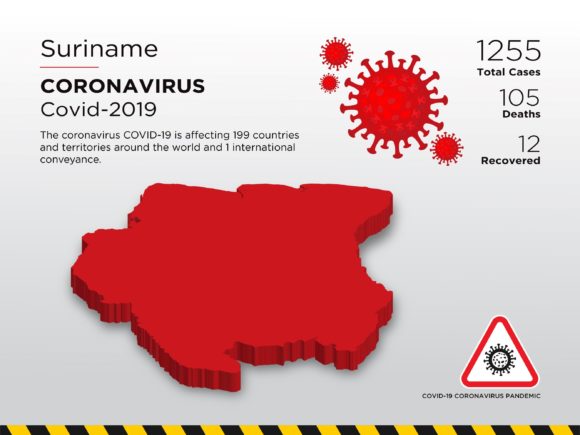
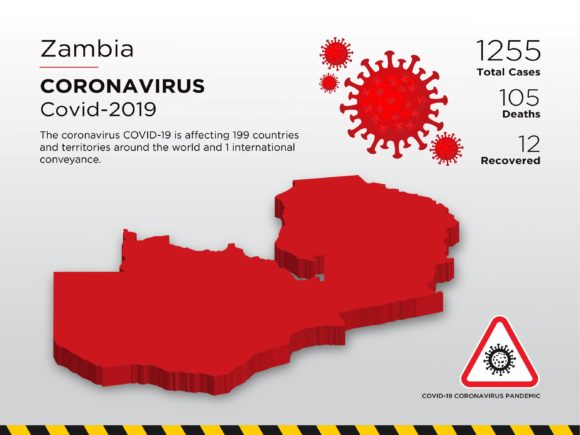
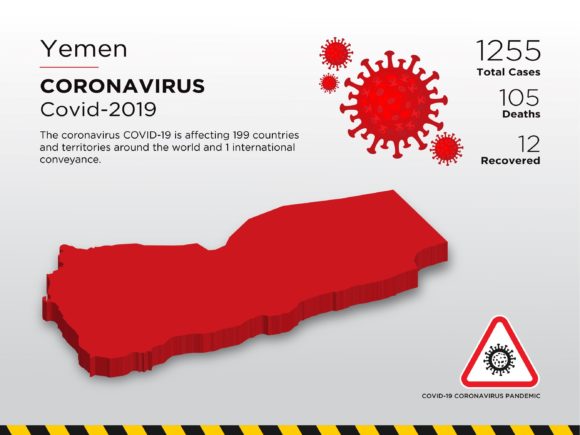
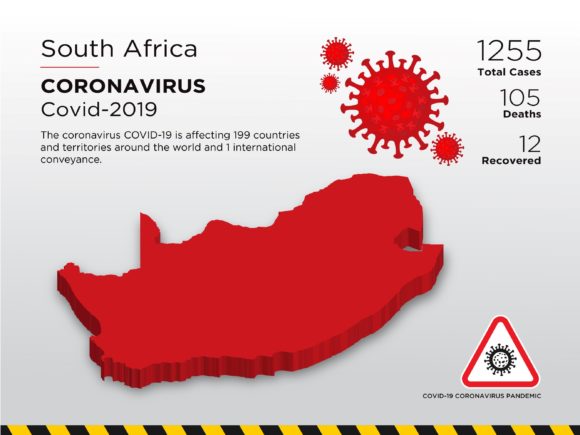
Imagine a social media banner featuring the Mexico Affected Country 3D Map as the central background. Overlaying this map are clean, bold typography blocks displaying the latest figures. The "Total Cases" number might be highlighted in red to signify danger, while "Recovered Peoples" could be shown in green to offer hope. This color psychology works in tandem with the 3D geography to create a comprehensive snapshot of the situation.
- Total Cases: Often the most alarming statistic, this figure needs to be prominent. Placing it near the epicenter of the outbreak on the 3D map emphasizes the local impact.
- Deaths: A somber metric that requires respectful presentation. Using the 3D map to show which regions have been hardest hit helps contextualize the loss.
- Recovered Peoples: This is the beacon of hope. Highlighting recovery rates alongside the 3D terrain can encourage community resilience and adherence to safety protocols.
By integrating these data points directly into the design, the infographic becomes more than just a picture; it becomes an informational dashboard. This approach is particularly useful for healthcare workers, government officials, and journalists who need to disseminate accurate data rapidly.
Global Context and Vector Design Versatility
While the focus here is on Mexico, the Mexico Affected Country 3D Map is part of a larger ecosystem of global pandemic vector flat illustrations. The beauty of vector graphics lies in their scalability. Whether you are designing a massive billboard for a city square or a tiny icon for a mobile app notification, the image remains crisp and clear.
These templates often come as part of a comprehensive package, including EPS and JPEG files. This versatility ensures that the design fits seamlessly into any workflow. Graphic designers can edit the EPS files to update statistics in real-time as the situation evolves, while the JPEG versions are perfect for immediate sharing on social media platforms like Instagram, Facebook, and Twitter.
The vector flat illustration style also allows for easy customization. If a campaign needs to shift from focusing on quarantine measures to promoting vaccination drives, the underlying 3D map structure remains the same, but the overlay elements can be swapped out. This flexibility is essential for long-term campaigns that must adapt to changing guidelines and public sentiment.
Driving Behavior: Quarantine and Stay-at-Home Messaging
Perhaps the most vital function of these design templates is their ability to influence public behavior. During the height of the pandemic, messages about quarantine and staying at home were ubiquitous. However, repetitive text alone often leads to "banner blindness," where users subconsciously ignore the message.
A visually striking Mexico Affected Country 3D Map breaks through this noise. By combining the map with strong imagery—such as silhouettes of people staying indoors, medical masks, or social distancing icons—the design creates an emotional connection. It reminds viewers that the abstract concept of a "global pandemic" has very real consequences in their own neighborhoods.
Consider a scenario where a local municipality wants to remind citizens of a new lockdown order. Instead of a plain text announcement, they use a custom banner featuring the 3D map of their state, overlaid with a "Stay at Home" call to action. The visual weight of the map makes the directive feel more urgent and official. This type of targeted communication is far more likely to result in compliance and safer community outcomes.
Practical Applications for Modern Workflows
The utility of these design assets extends beyond just news outlets. Non-profit organizations, schools, and even small businesses can leverage these templates to inform their stakeholders. For example, a university might use the Mexico Affected Country 3D Map to visualize student travel restrictions or campus safety protocols.
In the realm of digital marketing, these graphics serve as powerful engagement tools. Social media algorithms favor content that keeps users on the platform longer. An interactive-looking infographic with a 3D map encourages users to pause, analyze the data, and share the post with their networks. This organic sharing amplifies the reach of critical health messages.
Additionally, the inclusion of "Coronavirus Post Infographics Design" elements means that the templates are pre-optimized for specific platforms. They account for aspect ratios, text readability on small screens, and the visual density required to stand out in a crowded feed. This attention to detail saves designers hours of work and ensures that the final product looks professional right out of the box.
Choosing the Right Tools for the Job
When selecting resources for pandemic-related projects, it is important to look for completeness and quality. The ideal template should include everything needed to create a cohesive narrative. A high-quality package typically includes the main 3D map, supporting vector icons, and various layout options.
Key factors to consider include:
- File Formats: Ensure you have access to editable vector files (EPS) for maximum flexibility and high-resolution raster files (JPEG) for quick deployment.
- Customizability: Can you easily change the colors to match your brand or organization? Is the text layer editable?
- Accuracy: Does the map reflect the current administrative boundaries of Mexico? Accuracy builds trust.
- Cohesion: Do the other elements, such as the quarantine icons and statistical bars, match the style of the 3D map?
By prioritizing these qualities, you ensure that your communication strategy is built on a foundation of clarity and reliability. The Mexico Affected Country 3D Map is not just a decorative element; it is a functional component of a broader communication strategy.
Conclusion: Empowering Communities Through Design
The fight against a global pandemic requires more than just medical expertise; it demands effective communication. Visuals play a pivotal role in translating complex data into actionable insights. The Mexico Affected Country 3D Map, combined with comprehensive infographic templates, offers a powerful solution for conveying the realities of the outbreak.
From tracking total cases and recoveries to promoting essential safety measures like quarantine, these design assets help keep communities informed and safe. They transform overwhelming statistics into understandable stories, fostering a sense of shared responsibility and collective action. Whether you are a designer, a journalist, or a public health official, having access to high-quality, versatile, and accurate visual tools is indispensable.
Thank you for exploring the potential of these design concepts. We hope that this overview highlights the value of incorporating 3D mapping into your pandemic response efforts. If you find these resources useful for your projects, please consider recommending them to others. Your support helps spread awareness and ensures that critical information reaches those who need it most. Together, through better design and clearer communication, we can navigate these challenging times with greater confidence and unity.