Studio 3d Text Effect: A Practical Evaluation for Graphic Designers
In the rapidly evolving landscape of digital design, the demand for high-quality typography that stands out is constant. Among the various resources available to professionals and hobbyists alike, the Studio 3d text effect has emerged as a significant tool for creating impactful visual content. This specific graphic element design is not merely a preset; it represents a structured approach to three-dimensional typography that balances aesthetic appeal with technical efficiency. For designers aged 20 to 50 who are evaluating tools to streamline their workflow, understanding the nuances of this resource is essential before integrating it into their projects.
Understanding the Core Capabilities
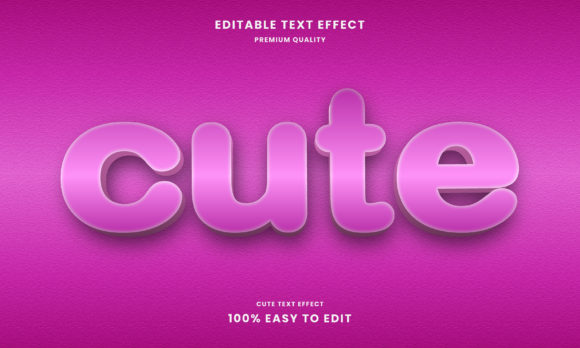
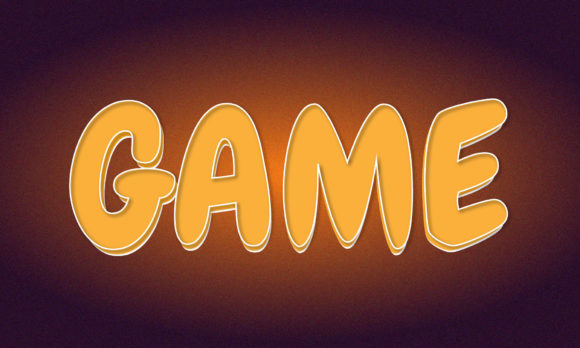
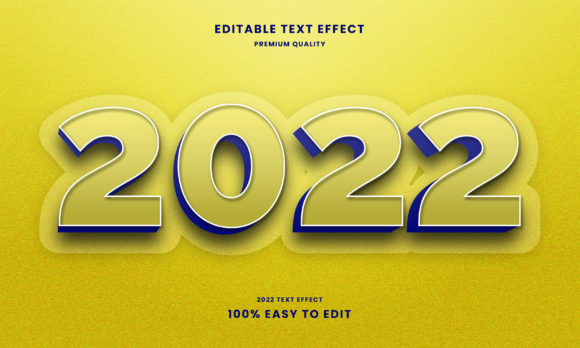
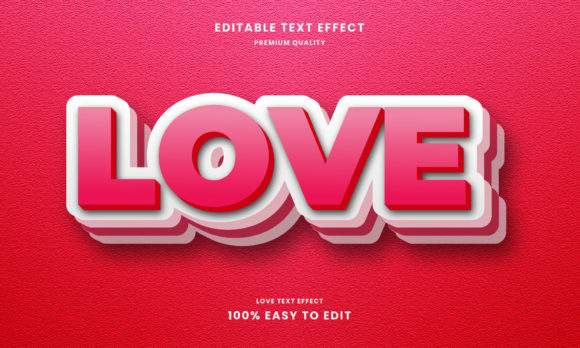
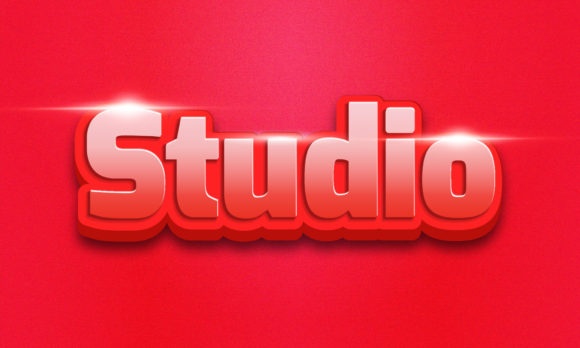
The Studio 3d text effect is fundamentally designed to provide a robust foundation for 3D typography without requiring users to model geometry from scratch. Unlike manual 3D modeling in software like Blender or Cinema 4D, which demands extensive time and specialized skills, this asset offers a pre-optimized structure. The primary distinction lies in its accessibility. It allows designers to achieve complex depth, lighting, and shading effects through simple text input within Adobe Illustrator.
A critical feature of this design is its resolution. With dimensions set at 2000x1200 pixels, it provides ample space for detailed work while maintaining clarity across various media formats. This size is particularly advantageous for web banners, social media graphics, and print materials that require high fidelity. Furthermore, the file operates in RGB color mode, ensuring compatibility with digital screens and modern printing workflows that rely on additive color mixing. For professionals accustomed to working in CMYK for offset printing, this may require a conversion step, but for the majority of digital-first applications, it is the standard expectation.
Technical Specifications and Workflow Integration
One of the most compelling aspects of the Studio 3d text effect is its native format. Delivered as an Adobe Illustrator CC2020 version AI file, it integrates seamlessly into the industry-standard vector environment. This ensures that the text remains fully editable, scalable, and non-destructive. Users do not need to rasterize the image immediately, preserving the ability to tweak fonts, colors, and layer arrangements at any stage of the design process.
The inclusion of free fonts within the package simplifies the initial setup, removing barriers related to licensing costs or missing typefaces. However, the true value proposition is found in the instruction that these files are "easy to edit." In a professional setting, where deadlines often dictate workflow, the ability to swap text and instantly see updated 3D rendering results is invaluable. The optimization mentioned in the features list suggests that the layers are organized logically, preventing the clutter that often plagues downloaded templates. This organization allows for rapid customization, whether adjusting the bevel depth, changing the gradient fills, or altering the perspective angle.
Evaluating Strengths and Tradeoffs
When comparing the Studio 3d text effect against other methods of achieving 3D typography, several tradeoffs become apparent. The primary strength is speed and consistency. Manual creation of 3D text involves extruding shapes, applying gradients, adding drop shadows, and managing multiple layers manually. This process can take hours for a single headline. In contrast, utilizing this graphic element reduces that timeline to minutes. The result is a polished look that maintains a cohesive style across a campaign.
However, this efficiency comes with limitations regarding uniqueness. Because the underlying structure is a template, there is a risk that designs may appear similar if used without significant modification. While the feature list highlights that the design is "customized," the base geometry is shared. To mitigate this, designers must invest time in altering the color palettes, adjusting the font weights, or combining the text effect with unique background elements. The 2000x1200 pixel dimension offers flexibility here, allowing for cropping and repositioning to create distinct compositions.
Another consideration is the software version requirement. Specifying CC2020 means that users with significantly older versions of Illustrator might encounter compatibility issues when opening the file. Conversely, those using newer versions should generally experience no problems, as Adobe maintains backward compatibility for most standard features. Nevertheless, it is worth noting that some advanced features introduced in later versions (post-2020) might not be fully utilized if the file was created specifically for the 2020 iteration.
Comparison with Alternative Approaches
Designers often face a choice between using pre-made assets, building from scratch, or utilizing automated online generators. How does the Studio 3d text effect fit into this spectrum?
- Building from Scratch: This approach offers maximum control over every vertex and light source. It is ideal for highly bespoke projects where the text shape itself is part of the logo or brand identity. However, it is time-intensive and requires a steep learning curve. The Studio 3d text effect serves as a superior alternative for projects where the focus is on the message rather than the construction of the letterforms.
- Online Generators: Many web-based tools offer instant 3D text generation. These are convenient but often produce low-resolution outputs locked into a specific format. They rarely allow for deep editing of layers or vector manipulation. The AI file format of the Studio effect provides a middle ground, offering the convenience of a preset with the professional flexibility of vector editing.
- Raster-Based Templates: Photoshop PSD files are common for 3D effects. While they offer realistic textures, they lack the scalability of vectors. If a designer needs to resize the text for a billboard or a business card, a raster file will pixelate. The Studio 3d text effect, being a vector-based AI file, avoids this limitation entirely.
Best-Fit Situations and Decision Factors
Determining whether to adopt this specific resource depends heavily on the project requirements. The Studio 3d text effect is best suited for marketing materials, social media campaigns, website headers, and presentation slides where visual impact is required quickly. Its RGB mode makes it particularly effective for digital displays, where vibrant colors and screen optimization are paramount.
Conversely, there are scenarios where this tool might not be the optimal choice. For large-scale commercial printing that strictly adheres to CMYK profiles, the initial RGB state of the file necessitates careful color management to prevent shifts in hue. Additionally, if a project requires a completely unique geometric distortion that deviates from standard typographic forms, a custom-built 3D model would be more appropriate.
The decision to use this graphic element should also consider the skill level of the user. For beginners or intermediate designers who want to achieve professional results without mastering complex 3D modeling techniques, this resource is highly recommended. The "easy to edit" feature ensures that even those with limited experience can manipulate the design effectively. For senior designers, it serves as a time-saving utility, allowing them to focus on broader creative strategy rather than repetitive technical tasks.
Maximizing Value Through Customization
To truly leverage the Studio 3d text effect, users should treat the included file as a starting point rather than a final product. The fact that it includes free fonts is a benefit, but swapping these for brand-specific typefaces can elevate the design's professionalism. Similarly, experimenting with the gradient overlays can transform the mood of the text from playful to corporate or dramatic.
The optimized nature of the file implies that layers are grouped and named efficiently. Taking the time to explore these groups can reveal hidden opportunities for customization, such as isolating the shadow layer to change its opacity or blending mode independently. By understanding the internal structure of the AI file, designers can push the boundaries of the preset, creating variations that feel original despite sharing a common base.
Final Considerations for Selection
Selecting the right tool for 3D typography involves balancing quality, speed, and cost. The Studio 3d text effect presents a compelling option by delivering a high-resolution, editable, and optimized solution within a widely used software ecosystem. While it does not replace the need for foundational design knowledge or the capability to build custom assets, it significantly lowers the barrier to entry for high-quality 3D text creation.
For professionals looking to expand their toolkit without compromising on output quality, this resource offers a practical blend of automation and flexibility. Whether used for a quick social media post or a larger digital campaign, the Studio 3d text effect provides a reliable foundation. As with any design asset, success ultimately depends on how well the user adapts the tool to their specific context, ensuring that the final output aligns with their brand identity and communication goals.