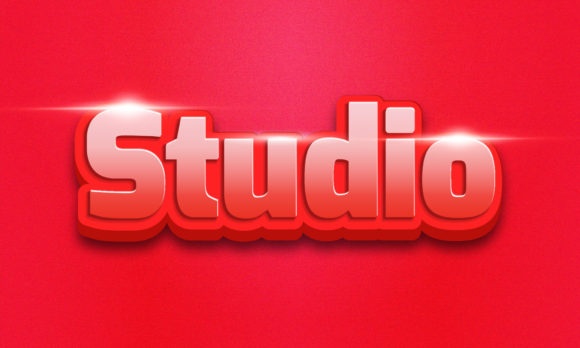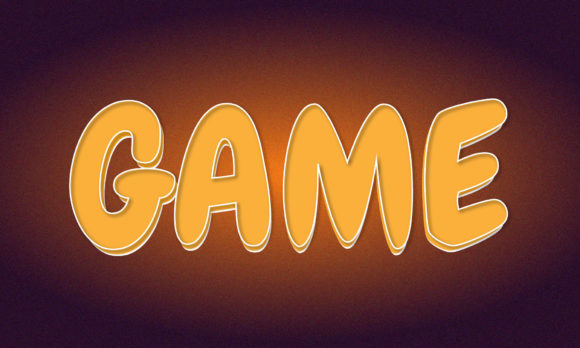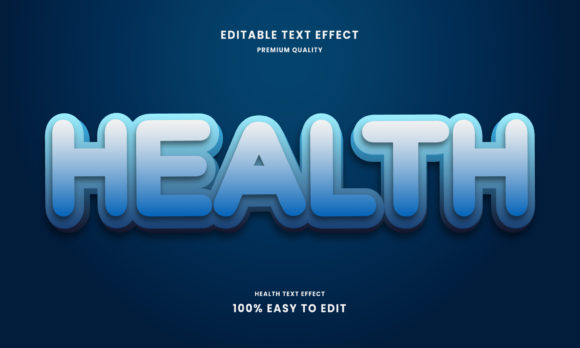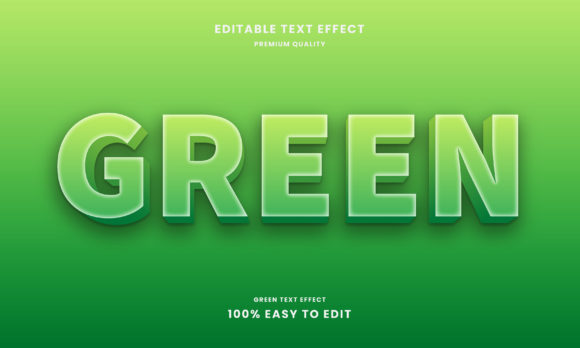
Understanding the Cute 3d Text Effect: A Practical Guide for Designers
In the evolving landscape of digital design, typography has moved far beyond simple flat letters. The Cute 3d text effect represents a specific niche within this broader category, offering a blend of playful aesthetics and functional depth. For designers aged 20 to 50 who are constantly evaluating tools and resources to enhance their projects, understanding the nuances of this style is essential. It is not merely about making text look "funny" or "childish"; rather, it involves a strategic application of lighting, shadow, and dimensionality to create an inviting visual hierarchy.
This article explores what makes the Cute 3d text effect distinct from other typographic treatments, how it compares to standard 3D rendering tools, and when this specific graphic element should be your primary choice. We will also examine the technical specifications that define high-quality assets in this category, ensuring you can make informed decisions when selecting resources for your workflow.
Defining the Cute 3d Text Effect
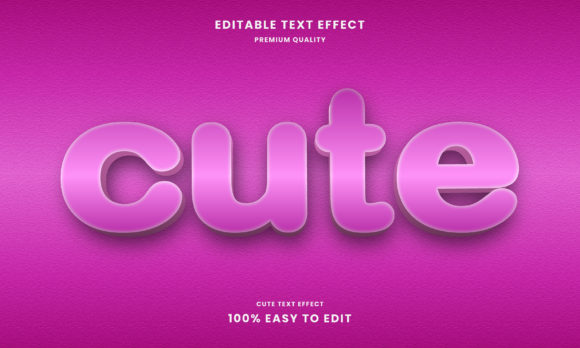
The term "cute" in graphic design often implies rounded edges, soft gradients, pastel color palettes, and a sense of approachability. When applied to a 3D text effect, these characteristics transform rigid letterforms into tactile objects that seem ready to be touched. Unlike industrial or corporate 3D styles that prioritize sharp lines and metallic textures, the cute variant focuses on organic shapes and warmth.
What distinguishes a high-quality Cute 3d text effect is its balance between depth and clarity. In many amateur attempts, the extrusion (the 3D thickness) can obscure the legibility of the word. However, a well-executed version maintains the integrity of the font while adding just enough volume to create interest without overwhelming the viewer. This effect relies heavily on subtle lighting cues—soft highlights and gentle shadows—that mimic natural light sources, giving the text a friendly, almost toy-like appearance.
For professionals using Adobe Illustrator CC 2020, creating this effect often involves manipulating vector paths to simulate depth. The result is a scalable graphic element that retains crisp edges regardless of size, a crucial advantage over raster-based 3D images which can become pixelated when enlarged.
Comparing Approaches: Vector vs. Raster and Native Tools
When researching options for 3D typography, designers typically face a choice between several categories: native 3D software, raster-based filters, and pre-made editable vector files. Understanding where the Cute 3d text effect fits into this spectrum helps clarify its value proposition.
- Native 3D Software: Programs like Blender or Cinema 4D offer unlimited control over geometry, materials, and lighting. While powerful, they require significant time investment and technical expertise. If your project demands photorealistic rendering or complex animation, these tools are superior. However, for quick, clean typographic overlays, they may be overkill.
- Raster-Based Filters: Many photo editing applications offer "drop shadow" or "bevel and emboss" effects that can mimic 3D. These are fast but result in static images. Once the effect is applied, changing the text content requires starting over. They lack the flexibility needed for dynamic marketing campaigns.
- Editables Vector Assets: This is where the Cute 3d text effect shines. By providing the design as an AI file with optimized layers, users gain the ability to edit every aspect of the text without losing quality. This approach bridges the gap between ease of use and professional customization.
The key differentiator here is the file structure. A premium resource, such as one designed for Adobe Illustrator CC 2020, typically includes separate layers for the front face, the side extrusion, and the background elements. This separation allows a designer to change the color, adjust the angle, or modify the text instantly. In contrast, a flattened image offers no such freedom.
Evaluating Technical Specifications and Workflow Integration
For the modern designer, compatibility and resolution are non-negotiable factors. When evaluating a Cute 3d text effect, the technical details often dictate whether the asset will integrate smoothly into your existing projects. Let us break down the critical specifications found in top-tier resources.
Resolution and Aspect Ratio
A dimension of 2000x1200 pixels provides a versatile canvas suitable for various media. This aspect ratio is slightly wider than square, making it ideal for social media banners, website headers, and presentation slides. The resolution is high enough to ensure print readiness for small formats while remaining manageable for web display. If you are working on large-scale billboards, the vector nature of the source file ensures you can scale up infinitely without degradation.
Color Mode Optimization
The specification of RGB color mode is vital for digital-first projects. Most online platforms, including Instagram, Facebook, and email newsletters, operate in RGB. Using an asset already configured in this mode saves time and prevents color shifts that can occur during conversion from CMYK. However, it is worth noting that because the file is editable in Illustrator, you can easily switch the document color mode to CMYK if you plan to print physical merchandise like t-shirts or brochures.
Software Compatibility
Design standards evolve rapidly. Ensuring that a file is compatible with Adobe Illustrator CC 2020 guarantees access to the latest features, such as improved mesh tools and enhanced gradient editors. Older versions of Illustrator might struggle to open newer files, leading to compatibility errors or missing fonts. Conversely, saving a file in a very old format can strip out modern effects. Choosing a resource built for recent versions ensures you have the full toolkit available to tweak the Cute 3d text effect to your exact needs.
Strengths, Tradeoffs, and Decision Factors
No single tool or style is perfect for every scenario. To help you decide if the Cute 3d text effect is the right fit, we must weigh its strengths against potential limitations.
When to Choose the Cute 3d Style
This style is particularly effective in contexts requiring engagement and emotional connection. It excels in:
- Child-Centric Content: Educational apps, children's book covers, and party invitations benefit immensely from the playful nature of rounded, dimensional text.
- Lifestyle Branding: Brands focusing on wellness, baking, crafts, or hobbies often use this aesthetic to convey warmth and accessibility.
- Social Media Campaigns: The bright colors and clear depth of the effect grab attention quickly in crowded feeds, encouraging clicks and shares.
Limitations and Considerations
While charming, the Cute 3d text effect has boundaries. It is generally unsuitable for serious, corporate, or minimalist designs. A financial institution or a law firm would likely find the rounded, colorful aesthetic unprofessional. Additionally, because the effect relies on specific lighting and shading, it can sometimes clash with complex photographic backgrounds. If the background is too busy, the text may lose its pop unless carefully masked or adjusted.
Another tradeoff involves the learning curve for customization. While the file is "easy to edit," understanding how to manipulate the 3D layers effectively requires a basic grasp of Illustrator's tools. Beginners might find the sheer number of paths and effects overwhelming compared to simply typing text and applying a drop shadow. However, the availability of free fonts included in the package mitigates some of this friction by ensuring the base typeface is already styled correctly.
Making the Right Choice for Your Project
Ultimately, the decision to use a Cute 3d text effect comes down to the goals of your specific project. If you need to communicate fun, creativity, and friendliness, this graphic element is a robust solution. Its editable nature means you can adapt the message, color scheme, and dimensions to suit different platforms without needing to hire a specialist 3D artist.
Conversely, if your project demands realism, speed, or a stark, modern look, you might explore alternatives like flat design trends or photorealistic 3D renders. The beauty of having an editable AI file is that it serves as a flexible foundation. You can start with the cute effect and gradually simplify it if the initial direction feels too heavy, or you can keep it exactly as is for maximum impact.
By prioritizing resources that are optimized, customized, and built for current software standards, designers save valuable time and reduce frustration. Whether you are designing a logo, a promotional banner, or a digital greeting card, the Cute 3d text effect offers a reliable path to creating memorable typography that stands out in a sea of flat, two-dimensional content.