Honey PSD 3D Premium Text Effects: A Comprehensive Evaluation
In the competitive landscape of digital design, visual hierarchy and typographic impact are paramount. Designers constantly seek tools that can elevate standard typography into compelling focal points without requiring years of experience in complex 3D modeling software. Honey PSD 3D Premium Text Effects has emerged as a specific resource within this niche, offering a suite of high-resolution, editable templates designed to streamline the creation of three-dimensional text graphics. This evaluation explores the technical specifications, practical applications, and strategic considerations for designers deciding whether to incorporate this toolset into their workflow.
Understanding the Core Product Specifications
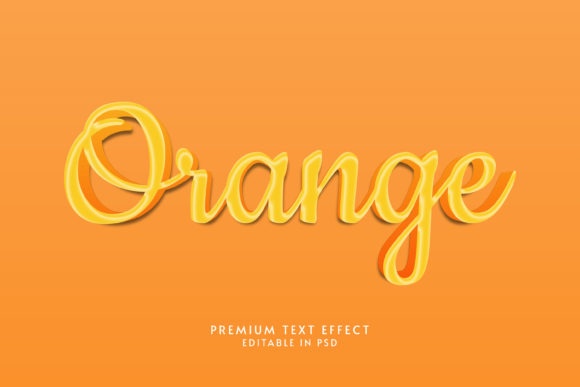
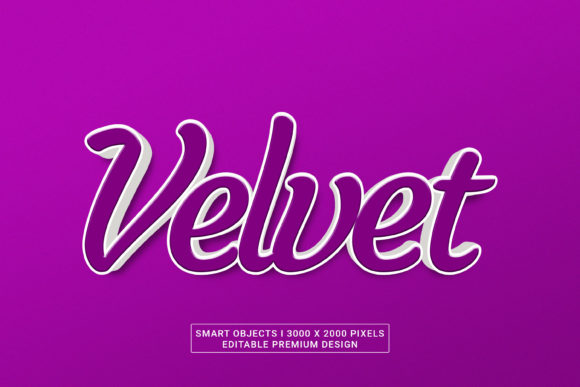
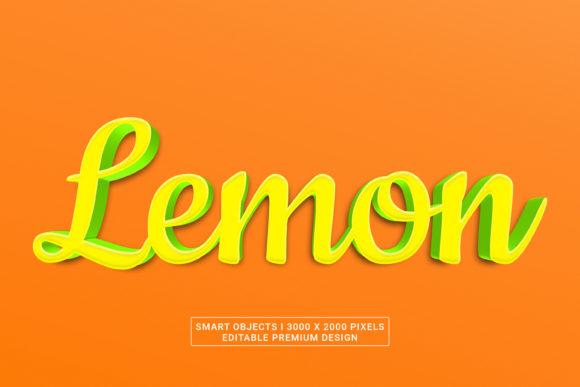
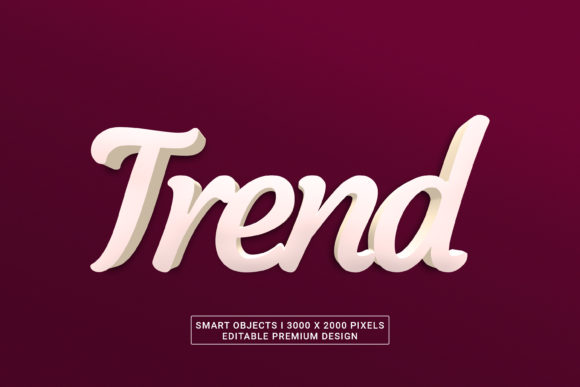
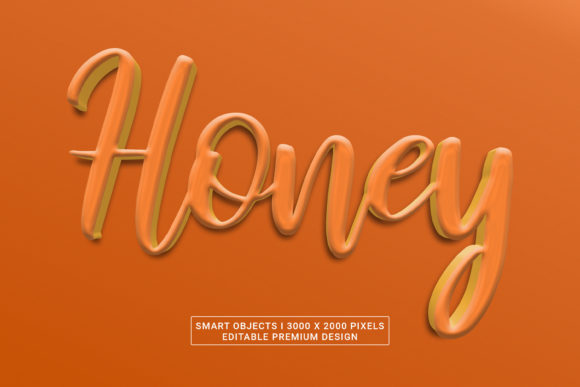
The foundation of Honey PSD 3D Premium Text Effects lies in its adherence to modern Adobe Photoshop standards. The package is built specifically for compatibility with Adobe Photoshop CC 2022, ensuring that users have access to the latest rendering engines and layer management features. A critical component of these files is the resolution; each template is provided at a high definition of 3000 x 2000 pixels. This dimension is substantial, allowing for large-format prints, high-quality web banners, and detailed social media assets without the risk of pixelation or blurriness when scaled.
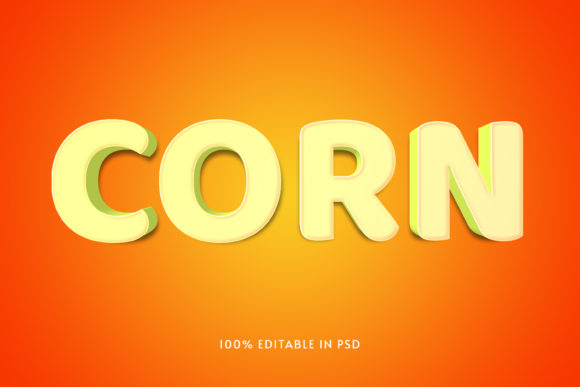
Unlike static images, these effects utilize Smart Objects. In the context of graphic design, a Smart Object preserves the source content's original properties, enabling non-destructive editing. When a designer opens a file containing Honey PSD 3D Premium Text Effects, they can double-click the Smart Object layer to modify the text content, adjust the font size, or change the color palette. Upon saving and closing the Smart Object, the 3D lighting, shadows, and texture effects automatically update to reflect the new input. This feature significantly reduces the time required to generate variations of a single design concept.
Technical Architecture and Workflow Efficiency
One of the most significant advantages of using this specific effect pack is the organization of layers. Professional design workflows often suffer from cluttered project files where hundreds of unlabelled layers make editing difficult. These premium templates address this by maintaining a smart layer organization system. Each effect is typically broken down into logical groups, such as "Main Text," "Shadow Layer," "Highlight," and "Background Texture." This structure allows users to isolate specific elements for tweaking without accidentally altering the global 3D geometry of the text.
The inclusion of free fonts further lowers the barrier to entry. Often, premium design resources require the purchase of additional typefaces to achieve the intended look. By bundling compatible, freely available fonts, the Honey PSD 3D Premium Text Effects ensure that the final output renders correctly on any machine, regardless of whether the user owns expensive commercial licenses. This consideration demonstrates a focus on accessibility and practical usability for both individual freelancers and agency teams.
Strategic Benefits for Design Projects
Designers turn to specialized assets like this for several functional reasons. The primary benefit is efficiency. Creating a realistic 3D text effect from scratch involves manipulating light sources, adjusting bevels, applying gradients, and crafting custom drop shadows. For a busy designer, this process can take hours. With Honey PSD 3D Premium Text Effects, the heavy lifting of the 3D modeling is pre-completed. The user simply inputs their copy, and the software handles the complex rendering calculations.
Furthermore, consistency is a major selling point. In branding projects, it is crucial that all typography maintains a uniform style across various media. Using a standardized set of effects ensures that a logo, a website header, and a print advertisement share the same visual DNA. The high resolution of 3000 x 2000 pixels also guarantees that these assets remain versatile, suitable for everything from mobile app icons to large-scale billboards.
Evaluating Tradeoffs and Limitations
While the benefits are clear, a balanced evaluation requires acknowledging potential limitations. The first consideration is the learning curve associated with Smart Objects. While they offer flexibility, users who are unfamiliar with the concept may find the initial setup confusing. They must understand how to edit the internal contents of a Smart Object versus modifying the visible layer directly. Without this knowledge, a user might attempt to apply filters to the outer layer, which could degrade the quality of the 3D effect.
Another tradeoff involves customization depth. Because these are pre-baked templates, there is a limit to how much the underlying 3D geometry can be altered. If a designer needs a highly unconventional shape or a unique lighting scenario that deviates significantly from the preset, they may find the template restrictive. In such cases, building a custom effect from scratch offers more creative freedom, albeit at a higher time cost. Additionally, reliance on free fonts means that the specific aesthetic is tied to those typefaces; while convenient, it limits the ability to use proprietary brand fonts unless the user manually replaces them, which may occasionally break the alignment of the 3D extrusion.
Situational Fit: When to Use This Tool
Honey PSD 3D Premium Text Effects is an ideal solution for specific scenarios. It is particularly well-suited for marketing agencies working under tight deadlines where speed is a priority. If a client requests a quick turnaround for a promotional banner featuring bold, 3D-style headlines, these templates provide an immediate starting point. It is also highly effective for educational purposes. Students learning graphic design can deconstruct these organized layers to understand how professional designers approach lighting and texture, serving as a valuable study aid.
Additionally, this tool fits the needs of small business owners or content creators who need high-quality visuals but lack advanced 3D modeling skills. It bridges the gap between basic image editors and complex software like Blender or Cinema 4D, providing a "middle ground" solution that delivers professional results through simple text replacement.
When Alternatives May Be Preferred
There are situations where this product may not be the best choice. If a project demands a fully bespoke 3D environment where the text interacts dynamically with other 3D elements in a scene, a standalone 3D application would be more appropriate. Similarly, if a brand has strict guidelines requiring a specific, paid typeface that alters the kerning or weight significantly compared to the included free fonts, the effort to re-engineer the Smart Object might outweigh the time saved.
Designers seeking infinite scalability might also consider vector-based solutions. While 3000 x 2000 pixels is high resolution, it remains raster-based. For logos that must be resized infinitely without any loss of quality, a vector format (such as AI or SVG) created in Illustrator or Affinity Designer would be superior. The Honey PSD 3D Premium Text Effects are optimized for fixed-resolution outputs, making them less flexible for applications requiring absolute vector scalability.
Final Decision-Making Insights
Selecting the right design asset depends heavily on the specific goals of the project. For users prioritizing speed, visual impact, and ease of use, Honey PSD 3D Premium Text Effects represents a strong value proposition. The combination of high resolution, smart layer organization, and compatibility with modern Photoshop versions makes it a robust tool for creating polished 3D typography quickly.
However, success with this tool requires an understanding of its constraints. Users should be prepared to work within the boundaries of the provided templates and comfortable utilizing Smart Objects to maintain file integrity. By weighing the need for rapid deployment against the desire for total geometric control, designers can determine if this resource aligns with their current workflow. Ultimately, it serves as a powerful accelerator for production, allowing creatives to focus more on strategy and less on the mechanics of rendering.