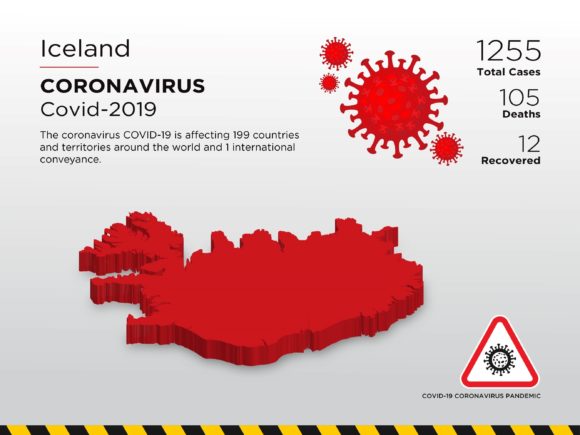
Iceland Affected Country 3D Map: A Strategic Guide for Visual Storytelling
When you are tasked with communicating complex global data, such as the spread of a pandemic, the visual element often dictates whether your message is understood or ignored. This is where the Iceland Affected Country 3D Map becomes more than just a graphic; it transforms into a critical communication tool. Whether you are a marketer tracking local outbreaks, an educator explaining quarantine protocols, or a business owner updating stakeholders on operational risks, having accurate and engaging visual assets is non-negotiable. The Iceland Affected Country 3D Map offers a specialized perspective within the broader context of global health infographics, allowing creators to highlight specific regional data while maintaining a cohesive global narrative.
However, simply downloading a template is not enough to ensure success. Many professionals make the mistake of treating these design assets as generic placeholders rather than strategic components of their content strategy. To get the most out of this resource, you must understand how to integrate it effectively without falling into common traps that compromise clarity and impact.
Navigating the Complexity of Global Pandemic Visuals
The coronavirus pandemic introduced a new language of data visualization. We moved from simple bar charts to dynamic 3D representations that attempt to show the scale of affected regions at a glance. The Iceland Affected Country 3D Map is part of a larger ecosystem of infographics designed to display total cases, deaths, and recovered peoples. While the concept sounds straightforward, the execution requires careful attention to detail.
A frequent error among beginners is assuming that a high-quality 3D map automatically conveys accurate information. In reality, the aesthetic appeal of a vector flat illustration can sometimes obscure the data itself. If the color contrast between the "affected" areas and the background is too subtle, viewers may miss the urgency of the situation. Conversely, if the colors are too aggressive, they can induce unnecessary panic rather than informed awareness. The goal of the Covid-19 outbreak poster design is to inform, not to frighten. You must balance the visual weight of the 3D elements with the readability of the statistics.
The Trap of Overcrowded Social Media Banners
Social media platforms have strict constraints on image size and text density. When using a Coronavirus Post Infographics Design Template, creators often try to cram every possible statistic onto a single banner. This leads to a cluttered design where the Iceland Affected Country 3D Map loses its focal point. Instead of guiding the eye to the key data points, the viewer is overwhelmed by a wall of numbers and icons.
To avoid this, adopt a minimalist approach. Use the 3D map as the hero element—the central anchor of your design. Let the map speak to the geographical distribution of the virus. Then, layer only the most critical metrics—such as current total cases or recovery rates—using clean typography. If you need to include details about quarantine measures or stay-at-home advisories, consider splitting the information across a carousel post or a linked landing page rather than forcing it all onto one static image. This preserves the integrity of the design and ensures the message remains digestible.
Selecting the Right File Format for Your Workflow
One of the most overlooked aspects of purchasing digital design assets is the file format compatibility. The product description for this infographic set typically includes EPS and JPEG files, but understanding the difference is vital for your workflow efficiency. Choosing the wrong format can lead to pixelation, loss of editability, or compatibility issues with professional software.
EPS files are vector-based, meaning they can be scaled to any size without losing quality. This is essential if you plan to use the Iceland Affected Country 3D Map in large-format prints, such as banners for a conference or posters for a community center. However, EPS files require specific software like Adobe Illustrator to open and edit. If you are a hobbyist or a small business owner relying on free tools or mobile apps, trying to force an EPS file into a basic editor will result in frustration.
JPEG files, on the other hand, are raster images. They are universally compatible and ready to upload directly to social media platforms like Instagram, Facebook, or LinkedIn. They are perfect for quick social media posts where speed is of the essence. However, they cannot be easily edited without degrading the image quality. Before buying or downloading, ask yourself: Will I need to change the text or colors later? If yes, ensure you have access to vector editing software or request a layered version. If you only need to share the final look immediately, the JPEG is your best friend.
Ensuring Accuracy in Data Representation
Data accuracy is the backbone of any credible infographic. A common mistake when using templates like the Global pandemic vector flat illustration is failing to update the data regularly. The landscape of the pandemic changes daily. Using a static image with outdated numbers can damage your credibility and mislead your audience. If you are a blogger or educator, you have a responsibility to verify that the numbers displayed on the Coronavirus Infographics Design Template match the latest reports from authoritative sources.
Furthermore, be cautious with the color coding used in the 3D map. Some templates use red to denote "danger" and green for "safe." While intuitive, this can be misleading if the thresholds for what constitutes "danger" vary by region or time period. Always add a clear legend or context to explain what the colors represent. For instance, clarify if the red zones indicate high transmission rates, high mortality, or simply the presence of confirmed cases. Without this context, the visual metaphor can be misinterpreted, leading to confusion rather than clarity.
Practical Steps for Better Results
To maximize the utility of the Iceland Affected Country 3D Map and similar assets, follow these practical steps:
- Check Resolution First: Before finalizing your design, zoom in to 100% to ensure the 3D map elements remain crisp. Blurry graphics undermine the professionalism of your entire campaign.
- Test Color Contrast: Run your design through a contrast checker to ensure text is readable against the 3D map background. Accessibility should never be an afterthought.
- Contextualize the Data: Never present raw numbers without a comparison. Show the percentage of recovery or the rate of increase to give the audience a sense of scale.
- Verify Software Compatibility: Ensure your team has the necessary tools to open and edit the EPS files if you intend to customize the design.
Making the Most of Your Investment
Ultimately, the value of a design asset lies in how well it serves your specific goals. The Quarantine, stay at home, coronavirus Covid-19 banner design concept is powerful because it combines emotional resonance with factual data. It reminds people of their shared struggle while providing the information they need to stay safe. By avoiding the pitfalls of poor formatting, outdated data, and cluttered layouts, you can turn a standard template into a compelling piece of visual journalism.
If you are looking to enhance your digital presence during uncertain times, investing in a high-quality Global pandemic vector flat illustration is a smart move. Just remember that the template is only the starting point. Your expertise, attention to detail, and commitment to accuracy are what will truly make the difference. Take the time to review the included files, test your designs across different devices, and always prioritize the user's ability to understand the message at a glance. With the right approach, the Iceland Affected Country 3D Map can become a cornerstone of your effective communication strategy.