Mongolia Affected Country 3D Map: A Strategic Guide for Accurate Pandemic Visualization
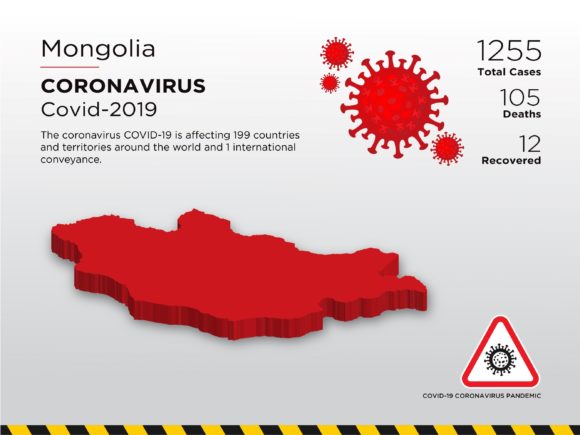
When you are looking to communicate complex data about a global health crisis, static charts often fail to capture the urgency and scale of the situation. This is where the Mongolia Affected Country 3D Map becomes an essential asset for creators, educators, and marketers. It serves as more than just a visual; it is a tool for translating raw statistics into a narrative that audiences can immediately understand. By leveraging a three-dimensional perspective, this design template allows viewers to grasp the magnitude of the outbreak in Mongolia with greater clarity than traditional flat graphics.
However, simply acquiring a high-quality vector file does not guarantee success. Many professionals make the mistake of assuming that a 3D map will automatically convey the correct message without careful context. To ensure your communication remains effective, ethical, and visually compelling, you must understand how to utilize these resources correctly. The following guide addresses common pitfalls in using pandemic infographics and offers practical strategies to elevate your presentations.
Understanding the Scope of the Design Template
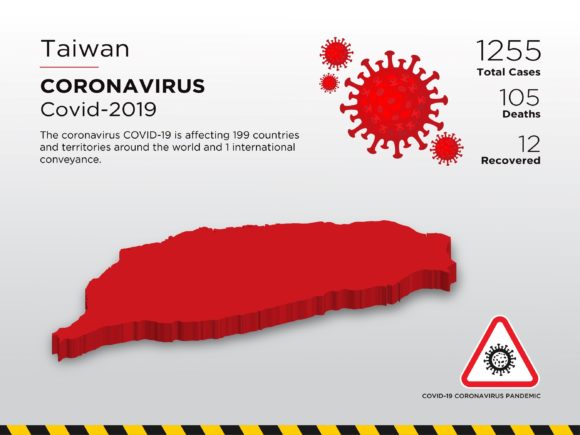
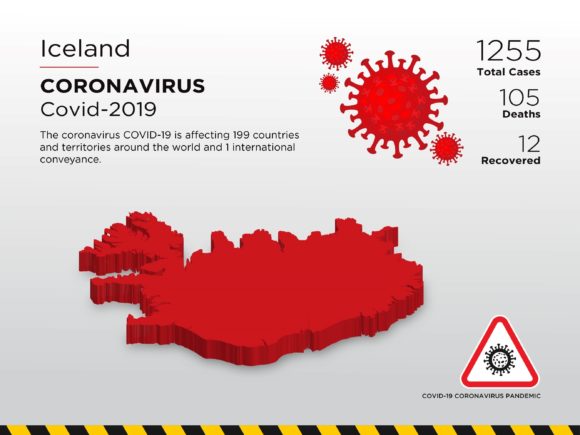
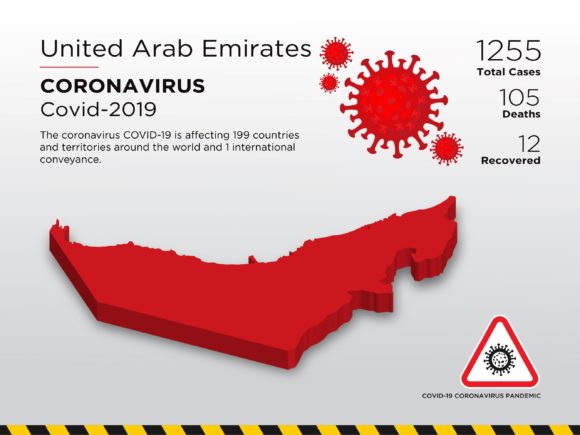
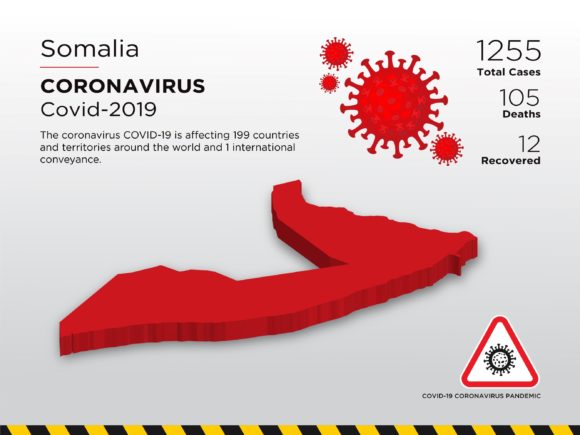
The Mongolia Affected Country 3D Map is part of a comprehensive infographic design package tailored for the Coronavirus (Covid-19) crisis. It typically includes global pandemic vector flat illustrations that depict quarantine measures, stay-at-home orders, and key metrics such as total cases, deaths, and recovered individuals. These elements are designed to be versatile, allowing users to create social media post banners, emergency posters, and detailed reports.
What makes this specific template valuable is its ability to combine geographical accuracy with emotional resonance. When you visualize the affected areas in 3D, you create a sense of depth that draws the viewer in. However, it is crucial to remember that the design is a starting point, not a finished product. The effectiveness of your final output depends on how well you integrate the data with the visual elements.
Common Pitfalls in Using Pandemic Infographic Templates
Even experienced designers and content creators can stumble when working with pre-made assets like the Mongolia Affected Country 3D Map. Below are several frequent errors that can undermine the quality of your work and the trustworthiness of your message.
- Ignoring Data Accuracy: One of the most critical mistakes is treating the template as a permanent display of numbers. The visual elements representing "Total Cases," "Deaths," and "Recovered" are placeholders. If you fail to update these figures regularly or use outdated statistics, your infographic loses its credibility instantly. In the rapidly evolving landscape of a pandemic, stale data can lead to confusion and misinformation.
- Overcrowding the Visual Field: Because the template includes multiple layers of information—global vectors, 3D maps, and social media banners—it is tempting to include every possible detail. However, cluttering the design distracts from the core message. A clean layout ensures that the viewer's eye is guided directly to the most important information regarding the outbreak in Mongolia.
- Neglecting Accessibility and Color Contrast: Effective communication requires that your visuals be readable by everyone. Some users may have color vision deficiencies or struggle with low-contrast images. If the 3D map uses subtle gradients that blend together, the distinction between affected and unaffected regions may be lost. Always test your designs for accessibility before publishing.
- Misinterpreting the Scale: A 3D map provides a powerful visual metaphor, but it can sometimes distort perception if not used carefully. Exaggerating the height of bars or the size of infection zones can inadvertently cause panic or minimize the severity of the situation. It is vital to maintain a balanced representation that reflects the actual data without sensationalism.
How Mistakes Impact Your Results
These oversights do more than just look unprofessional; they actively harm the utility of your content. Inaccurate data can erode public trust, while poor design choices can obscure critical safety instructions like quarantine protocols. For entrepreneurs and small business owners, a poorly executed infographic can damage brand reputation. For educators and bloggers, it can spread confusion rather than clarity. Ultimately, the goal is to inform and protect, not to confuse.
Strategies for Effective Implementation
To avoid these common traps, adopt a methodical approach when working with the Mongolia Affected Country 3D Map and similar assets. Start by verifying your data sources. Ensure that the numbers you input correspond to the latest official reports from reliable health organizations. Regularly audit your content to replace old statistics with current figures.
Next, focus on simplicity. Use the included files, such as the EPS and JPEG formats, to create variations of your posts. You might choose to highlight only the "Recovered" percentage for a positive news story, or focus on the "Stay at Home" vector illustration for a public service announcement. Do not feel compelled to use every element in the template for every single post. Selecting the right components for the specific context of your message is a sign of expertise.
Consider your audience's needs. Are you creating a banner for social media, where attention spans are short? Then, prioritize bold typography and clear icons over complex details. Is this a report for stakeholders? Then, ensure the 3D map is accompanied by explanatory text that clarifies the trends shown in the visualization. Tailoring the presentation to the platform and the reader maximizes engagement and comprehension.
Evaluating Quality Before You Commit
Before integrating the Mongolia Affected Country 3D Map into your workflow, take a moment to evaluate the quality of the source material. Check the resolution of the vector files to ensure they remain crisp when resized for different platforms. Verify that the colors are vibrant yet professional, avoiding jarring combinations that might alienate viewers. Additionally, review the licensing terms to ensure you have the necessary rights for commercial use, especially if you are a marketer or business owner planning to distribute the content widely.
It is also wise to compare this template against other options available in the market. Look for designs that offer flexibility in editing. Can you easily change the country focus from Mongolia to another region? Does the template allow you to modify the icons for quarantine or vaccination? A versatile template saves time and effort in the long run, providing better value for your investment.
Final Thoughts on Responsible Design
The Mongolia Affected Country 3D Map and its accompanying infographic elements are powerful tools for storytelling during a global crisis. They bridge the gap between complex data and human understanding, making abstract numbers tangible and urgent. However, their power lies not just in their visual appeal but in the integrity of the information they carry.
By avoiding common mistakes, prioritizing accuracy, and designing with empathy, you can create content that informs, educates, and inspires action. Whether you are a freelancer creating a blog post, an educator teaching students, or a business owner updating your community, responsible use of these design templates ensures that your message resonates positively. Take the time to refine your approach, and you will find that these assets become indispensable parts of your communication strategy.
If you find value in this resource, sharing your experience helps others discover tools that can aid their work. Thank you for considering this product, and we hope it proves useful in your efforts to communicate important health information effectively.