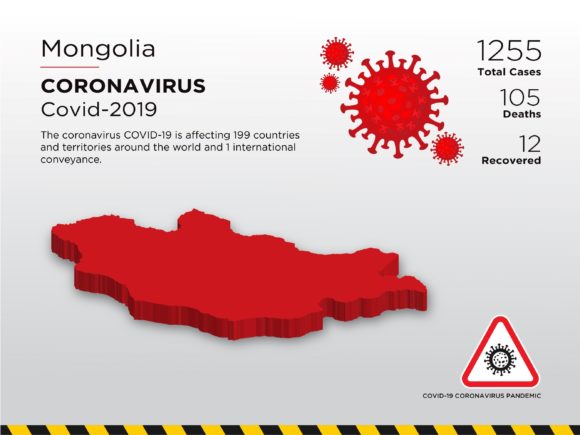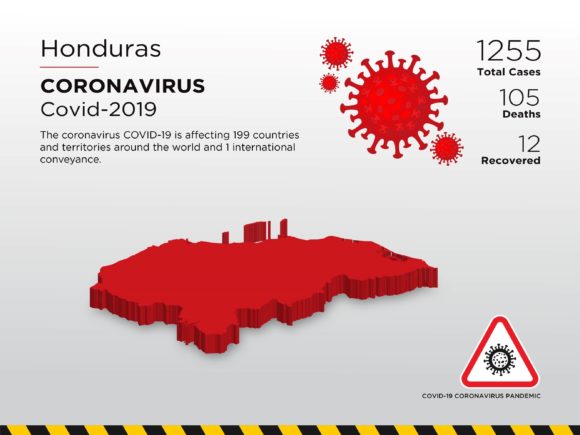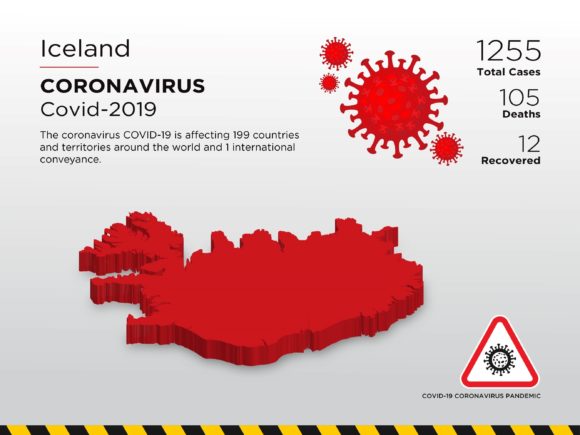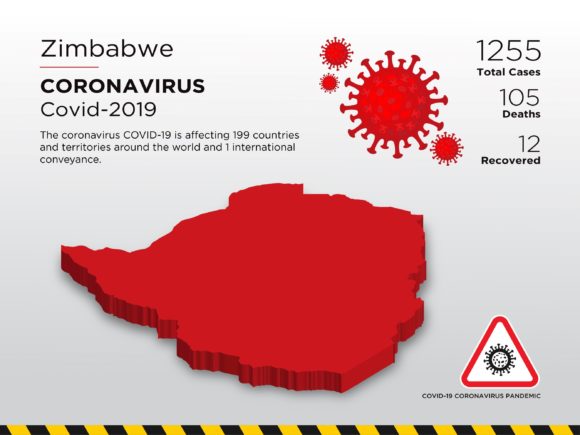
Taiwan Affected Country 3D Map: A Strategic Guide to Visualizing Pandemic Data
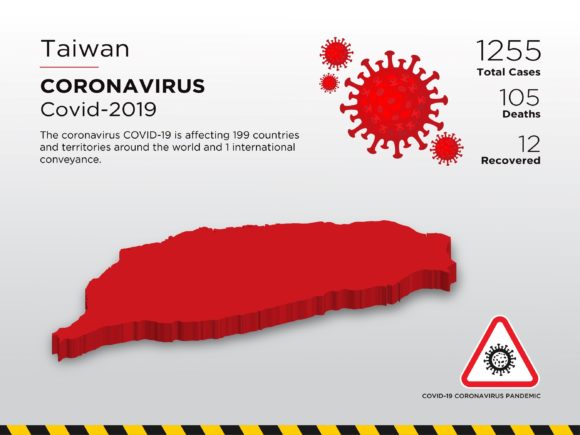
In the landscape of digital communication, data visualization has become the primary language for conveying complex global information. When discussing the Taiwan Affected Country 3D Map, we are not merely looking at a static image; we are examining a dynamic tool designed to transform raw statistics into an intuitive narrative. This specific design template, often categorized under Coronavirus Infographics Design and Global pandemic vector flat illustration collections, serves as a critical asset for professionals who need to communicate the severity and scope of health crises without overwhelming their audience.
However, selecting the right visual asset is more than just downloading a file. Many creators and marketers make the mistake of treating these templates as generic placeholders rather than strategic communication tools. To truly leverage the potential of a Affected Country 3D Map of Coronavirus Infographics Design Template, one must understand its capabilities, its limitations, and the common pitfalls that can undermine its effectiveness in social media campaigns or educational materials.
The Value of Three-Dimensional Visualization in Health Communication
Why do designers and data analysts gravitate toward 3D representations over traditional flat charts? The answer lies in cognitive processing. A Taiwan Affected Country 3D Map offers depth, allowing viewers to instantly grasp the relative scale of affected regions. In the context of a global pandemic, where numbers like total cases, deaths, and recovered peoples change by the minute, a 3D perspective helps users visualize the "height" of the crisis in different areas.
This approach is particularly effective for social media post banner design. On platforms like Instagram, LinkedIn, or Facebook, users scroll rapidly. A flat list of numbers might be skipped, but a compelling 3D graphic featuring quarantine and stay at home concepts captures attention immediately. It transforms abstract data into a tangible reality, making the message about the Covid-19 outbreak more urgent and memorable.
Common Pitfalls in Selecting and Using Infographic Templates
Despite the clear benefits, there are several misconceptions that can lead to poor results when utilizing these design resources. Understanding these errors is the first step toward creating professional-grade content.
Mistake 1: Ignoring File Format Versatility
One of the most frequent oversights occurs during the evaluation phase. Buyers often focus solely on the preview image and neglect the included files. A high-quality product should offer versatility. For instance, if you are planning a multi-channel campaign, you need formats that serve different purposes. An EPS file is essential for print materials or large-scale banners because it allows for infinite scaling without pixelation. Conversely, a JPEG format is optimized for web sharing and quick loading times.
If your project requires editing text layers or changing color schemes to match a brand identity, relying only on a rasterized JPEG will force you to start from scratch. Always verify that the package includes editable vector files (like EPS) before purchasing. Without this flexibility, you limit your ability to adapt the Coronavirus Post Infographics Design template for future updates.
Mistake 2: Overlooking Contextual Accuracy
Data accuracy is paramount in health-related communications. A beautiful Taiwan Affected Country 3D Map is useless if the underlying data structure does not allow for easy updates. Some low-quality templates have hardcoded numbers that are difficult to modify. If you cannot easily swap out the "Total Cases" or "Deaths" figures to reflect the latest statistics, your infographic risks spreading outdated information.
To avoid this, inspect the template's layer structure. Ensure that the text boxes for statistics are distinct and editable. This separation allows you to maintain the visual integrity of the Global pandemic vector flat illustration while keeping the data current. Failing to check this can lead to credibility issues, especially for educators and healthcare professionals who rely on precise information.
Mistake 3: Misjudging the Scale of Detail
Another common error involves the level of detail versus the medium of display. A highly detailed 3D map might look stunning on a desktop monitor but become cluttered and unreadable on a mobile device. Social media users predominantly access content via smartphones. If the Quarantine, stay at home, coronavirus Covid-19 banner design concept relies on tiny text or intricate shading that disappears on a small screen, the message is lost.
Always test your design at the intended output size. For mobile-first strategies, prioritize bold typography and simplified 3D elements. The goal is to convey the essence of the Covid-19 outbreak, pandemic poster design quickly. If the user has to squint to read the numbers, the design has failed its primary purpose.
Strategic Application for Diverse Audiences
The utility of a Taiwan Affected Country 3D Map extends beyond simple reporting. It is a versatile asset for various roles in the digital ecosystem.
- For Marketers and Entrepreneurs: Use the Total Cases deaths and recovered peoples social media post banner design features to create awareness campaigns. Highlighting recovery rates alongside case numbers can provide a balanced view, reducing panic while maintaining urgency.
- For Educators and Bloggers: These templates simplify complex epidemiological data. By using the vector flat illustration style, you can explain transmission dynamics and the importance of quarantine measures to students or readers without requiring advanced statistical knowledge.
- For Freelancers and Designers: Owning a comprehensive set of files, including both EPS and JPEG, allows you to offer customized services to clients. You can take a base template and tailor it to specific regional needs, adding value to your portfolio.
Evaluating Quality Before Purchase
Before finalizing a decision on any design resource, it is crucial to conduct a thorough evaluation. Do not rely solely on the thumbnail image. Look for evidence of technical proficiency. Does the 3D rendering appear smooth, or does it show jagged edges? Are the shadows and lighting consistent with the flat illustration style?
Furthermore, consider the longevity of the asset. A good Affected Country 3D Map of Coronavirus Infographics Design Template should be adaptable. While the pandemic context is specific, the design principles should remain relevant for future health crises or general data visualization projects. Check if the color palette is customizable. Being able to shift from red alert colors to neutral tones can extend the life of the template beyond immediate news cycles.
Finally, read the documentation provided by the creator. A reputable seller will offer clear instructions on how to edit the Taiwan Affected Country 3D Map. They should explain how to update the text, resize the graphics, and export the final images correctly. If the support material is vague, proceed with caution.
Maximizing Impact Through Thoughtful Design
When you successfully integrate a well-chosen template into your workflow, the results speak for themselves. A cohesive Coronavirus Post Infographics Design template enhances trust. It signals that you have invested time and effort into presenting accurate, accessible information. Whether you are designing a poster for a community center or a banner for a corporate blog, the clarity of your message depends on the quality of your visuals.
Remember that the goal of any Global pandemic vector flat illustration is to inform, not to confuse. By avoiding the common mistakes of ignoring file formats, neglecting data editability, and overlooking mobile responsiveness, you ensure that your work remains effective. Take the time to review the included files—ensuring you have the necessary EPS and JPEG options—and customize them to fit your specific narrative.
In conclusion, the Taiwan Affected Country 3D Map and its associated design elements are powerful tools in the modern information age. They bridge the gap between complex data and public understanding. By approaching these assets with a critical eye and a focus on practical application, you can create designs that not only look professional but also serve the vital function of informing and protecting communities. Thank you for considering these resources for your projects; with the right approach, they will prove to be invaluable assets in your creative arsenal.