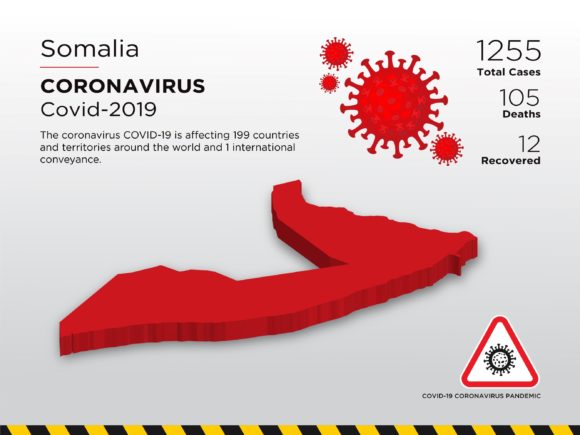
Somalia Affected Country 3D Map: A Comprehensive Design Resource for Pandemic Visualization
In the landscape of global health communication, visual data plays a critical role in conveying complex statistics and safety protocols. The Somalia Affected Country 3D Map represents a specialized asset within this domain, designed to visualize the impact of the coronavirus pandemic specifically within the context of Somalia. This resource is part of a broader collection of infographic design templates that utilize 3D vector illustrations to present global pandemic data. For designers, public health officials, and content creators, understanding the capabilities and limitations of such assets is essential for effective communication.
This evaluation explores the functionality, application, and strategic value of the Somalia Affected Country 3D Map template. It aims to assist readers in determining whether this specific design solution aligns with their informational goals, particularly when dealing with sensitive health data or social media outreach during a crisis.
Understanding the Core Asset
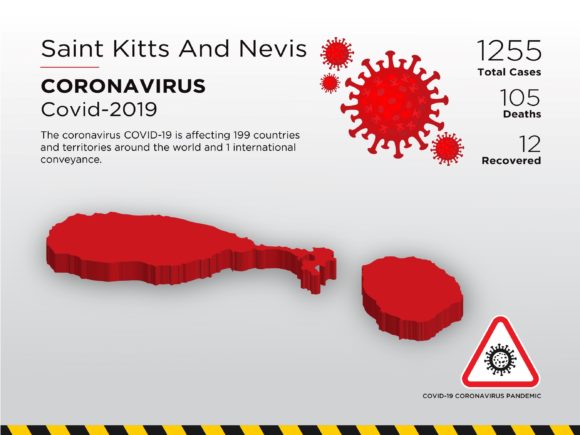
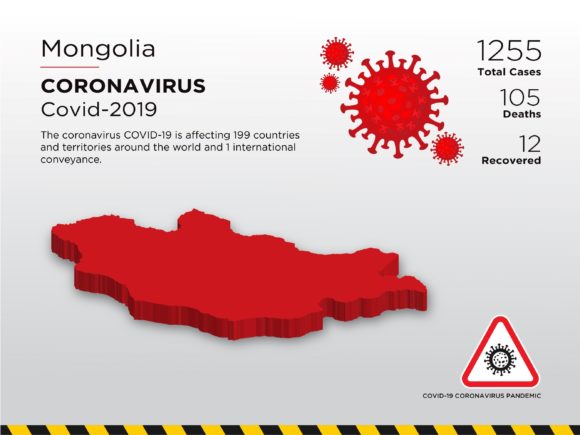
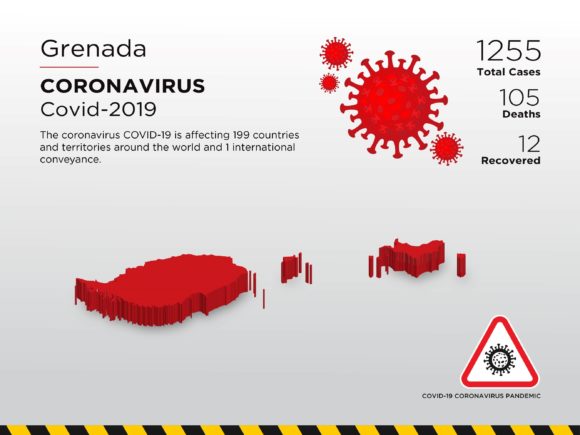
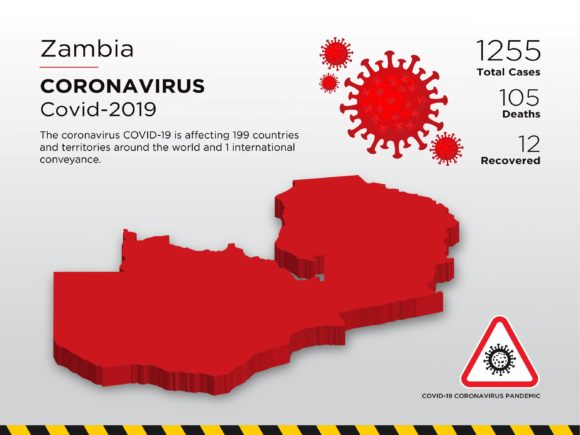
The Somalia Affected Country 3D Map is not merely a static image but a component of a comprehensive infographic design template suite. These templates are engineered to display key metrics related to the COVID-19 outbreak, including total cases, deaths, and recovered individuals. The design utilizes a flat illustration style rendered in three dimensions, offering a modern aesthetic that distinguishes it from traditional 2D cartography.
The primary focus of this specific template is to highlight the situation in Somalia while maintaining a connection to the global context. By isolating a single nation within a 3D framework, the design allows for a focused narrative on local impacts without losing the perspective of the worldwide pandemic. The inclusion of vector graphics ensures that the images remain crisp regardless of the scaling required for different media platforms.
Strategic Applications and Use Cases
Organizations and individuals often seek these templates to communicate urgent health information quickly and effectively. The versatility of the Somalia Affected Country 3D Map makes it suitable for several distinct scenarios:
- Social Media Campaigns: The format is optimized for banner designs intended for platforms like Facebook, Twitter, and Instagram. Visual summaries of quarantine measures and stay-at-home advisories can be paired with statistical updates to increase engagement and compliance.
- News and Journalism: Media outlets require accurate, visually appealing graphics to accompany reports on regional outbreaks. This template provides a professional backdrop for articles discussing the healthcare status in Somalia.
- Public Health Awareness: Government bodies and NGOs can use the "Quarantine" and "Stay at Home" concepts embedded in the design to disseminate safety guidelines. The clear distinction between affected areas and recovery rates helps the public understand the severity of the situation.
- Educational Materials: Schools and training institutions may incorporate these infographics into presentations about global health trends, using the 3D map as a teaching aid for geography and epidemiology.
Benefits of Using Specialized Infographic Templates
Selecting a pre-designed template offers significant advantages over creating graphics from scratch. The most immediate benefit is efficiency. In a rapidly evolving pandemic scenario, time is a critical factor. These templates come with pre-configured layers and placeholders for data, allowing users to update figures without altering the underlying artistic composition.
Furthermore, the use of vector formats (such as EPS) ensures scalability. Whether the final output is a small mobile banner or a large printed poster, the image quality remains consistent. The inclusion of both EPS and JPEG files in the package provides flexibility; EPS files allow for further editing by professional graphic designers, while JPEG files offer immediate usability for quick posts or documents where editing is not required.
The aesthetic quality of the 3D flat illustration also contributes to higher retention rates among viewers. Complex data regarding death tolls and recovery numbers can be overwhelming when presented in text alone. A well-designed visual hierarchy, guided by the 3D map concept, directs the viewer's attention to the most critical information first.
Considerations and Potential Tradeoffs
While the Somalia Affected Country 3D Map offers many advantages, potential users must consider certain limitations. One primary consideration is the specificity of the geographic focus. If a user requires a map that covers multiple continents simultaneously with equal detail, this template might be too narrow. It is optimized for highlighting Somalia, meaning it may not serve as a standalone solution for a global overview unless combined with other assets.
Another factor is the static nature of the data. These templates provide a snapshot in time. They do not automatically update based on real-time API feeds. Users must manually input the latest statistics for total cases, deaths, and recoveries. This requirement demands a workflow where data accuracy is verified before the graphic is published to avoid misinformation.
Additionally, the file formats provided may require specific software. While JPEGs are universally viewable, accessing the full editing capabilities of the EPS files necessitates vector-based software like Adobe Illustrator. Users relying solely on basic image editors may find the editable features inaccessible.
Decision-Making Framework
To determine if this product is the right fit, stakeholders should evaluate their specific needs against the following criteria:
- Geographic Relevance: Is the primary audience interested in the situation in Somalia? If the report focuses on a different region, this template would require significant modification or may be unsuitable.
- Design Complexity: Does the project require a high level of customization? If the user needs a fully custom illustration unique to their brand identity, a generic template might feel too standardized.
- Data Freshness: Is there a team available to verify and update statistics regularly? The effectiveness of the infographic relies entirely on the accuracy of the numbers inserted into the design.
- Technical Resources: Does the user have access to software capable of opening and editing EPS files? If not, reliance on the provided JPEGs will limit future adjustments.
Alternatives and Complementary Solutions
If the Somalia Affected Country 3D Map does not align with the project requirements, alternative approaches exist. Global heat maps that cover all countries simultaneously may be more appropriate for international comparisons. Alternatively, simple 2D charts and graphs might suffice if the goal is purely analytical rather than illustrative.
However, for projects requiring a balance of emotional impact and data clarity, specifically targeting the African continent or Somalia, this template remains a strong contender. It bridges the gap between dry statistical reporting and engaging visual storytelling. When combined with other assets from the same series, such as global pandemic vectors or specific quarantine banners, it forms a cohesive toolkit for comprehensive crisis communication.
Conclusion
The Somalia Affected Country 3D Map serves as a valuable resource for those tasked with communicating the realities of the coronavirus pandemic in a specific regional context. Its strength lies in its ability to simplify complex data through 3D visualization and its adaptability across various digital platforms. While it requires manual data entry and specific software for full editing, the tradeoff yields a professional, scalable, and impactful visual asset.
For organizations seeking to inform the public about total cases, deaths, and recoveries in Somalia, this template offers a practical and efficient solution. By carefully evaluating the need for geographic specificity and ensuring the availability of updated data, users can leverage this design to enhance their pandemic response efforts and promote vital health messages effectively.