Understanding the Saint Kitts and Nevis Affected Country Visualization in Global Pandemic Context
In the landscape of public health communication, data visualization serves as a critical bridge between complex statistical realities and public understanding. When examining specific regions like Saint Kitts and Nevis, the need for clear, impactful representation becomes even more pronounced due to the unique geopolitical and demographic characteristics of the nation. The concept of a "Saint Kitts and Nevis Affected Country" is not merely a label; it represents a specific dataset that includes total cases, deaths, and recovered individuals, all of which must be communicated effectively during a global crisis.
This article explores the significance of using specialized infographics and 3D map designs tailored to this Caribbean nation. By analyzing the design elements, such as vector flat illustrations and quarantine concepts, we can better understand how visual tools aid in decision-making, resource allocation, and public awareness campaigns. Whether you are a designer creating content or an analyst evaluating communication strategies, understanding the nuances of these templates provides valuable insight into effective pandemic response.
The Role of Specialized Infographics in Regional Health Data
When discussing the Saint Kitts and Nevis Affected Country status, one must consider the limitations of generic global maps. While a standard world map might show a country's location, it often fails to convey the depth of local impact. This is where dedicated infographic design templates become essential. These tools allow for the granular display of metrics—total cases, deaths, and recoveries—specifically within the context of a small island nation.
The distinctiveness of Saint Kitts and Nevis lies in its dual-island geography and relatively small population compared to larger continental nations. A general infographic might dilute the urgency of the situation or fail to highlight the specific strain on local healthcare resources. By utilizing a template designed specifically for this region, communicators can:
- Highlight Local Impact: Visualize the ratio of cases to the total population more accurately than a global scale allows.
- Clarify Recovery Rates: Use color-coded sections to distinguish between active cases and those who have recovered, providing a clearer picture of the current health status.
- Enhance Accessibility: Simplify complex epidemiological data into digestible formats suitable for social media consumption.
These visual aids transform raw numbers into a narrative that resonates with the local population and international observers alike. The inclusion of specific files, such as EPS and JPEG formats, ensures that the data can be adapted for various mediums, from high-resolution print posters to low-bandwidth mobile banners.
Comparing Design Approaches: Flat Illustrations vs. 3D Mapping
In the realm of pandemic poster design, two primary styles dominate the conversation: vector flat illustrations and 3D map representations. Understanding the tradeoffs between these approaches is crucial when selecting the right tool for communicating the Saint Kitts and Nevis Affected Country data.
Vector Flat Illustrations
Flat design is characterized by its clean lines, vibrant colors, and lack of three-dimensional depth. In the context of a global pandemic vector illustration, this style excels at clarity and speed of comprehension. For a topic as sensitive as coronavirus statistics, a flat illustration of quarantine measures or stay-at-home advisories can reduce cognitive load. Users can immediately recognize symbols representing masks, hospitals, or isolation zones without being distracted by complex shading or perspective.
Best Fit: Social media posts, mobile notifications, and quick-reference guides where immediate understanding is paramount. The simplicity of flat design ensures that the message about staying home or following safety protocols is not lost in artistic complexity.
3D Map Representations
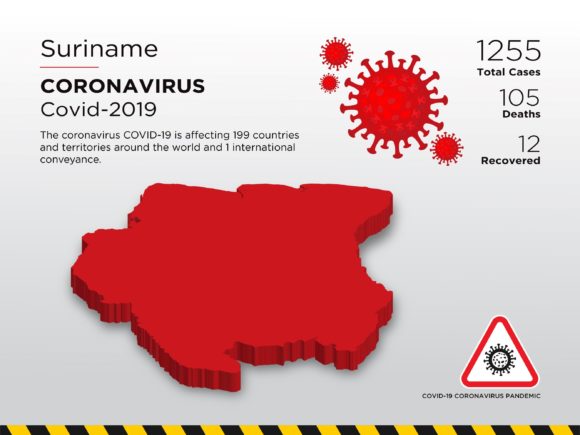
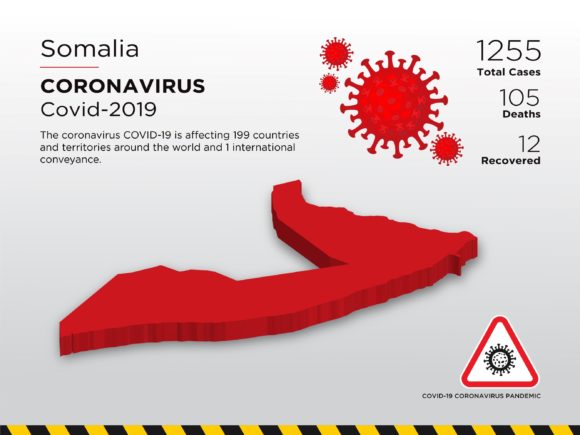
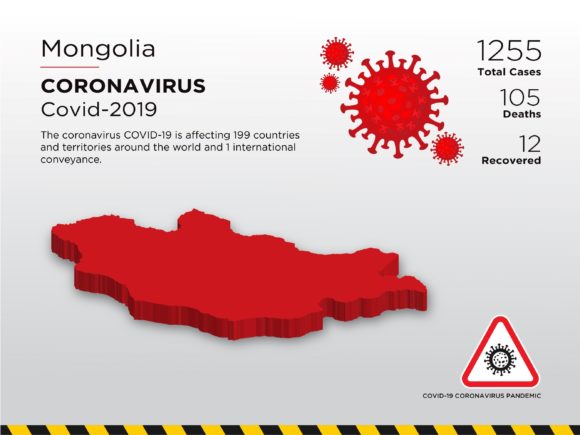
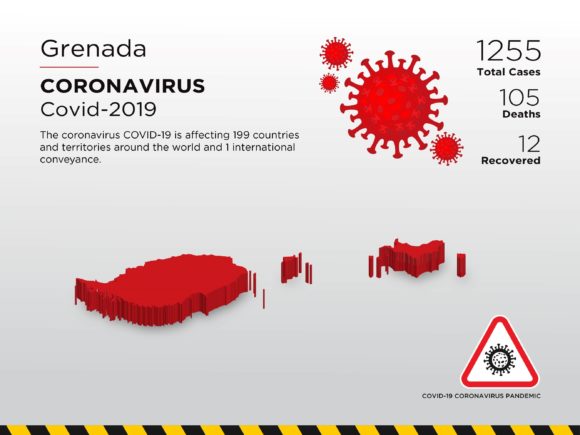
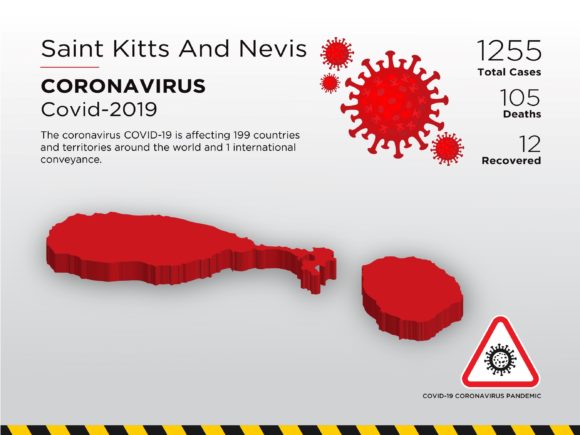
Conversely, a 3D map of the Saint Kitts and Nevis Affected Country offers a sense of scale and spatial awareness. This approach is particularly effective for showing the geographical spread of the virus across the islands. A 3D visualization can depict elevation, landmass boundaries, and the relative proximity of affected areas, providing a more immersive view of the outbreak.
Best Fit: Detailed reports, educational presentations, and strategic planning documents where spatial relationships matter. It helps stakeholders visualize how the virus might move between the two main islands or from urban centers to rural communities.
The choice between these styles depends entirely on the intended audience and the specific goal of the communication. If the objective is to drive immediate behavioral change through social media, a flat illustration banner may be superior. However, if the goal is to present a comprehensive report to government officials, a 3D map integrated with statistical overlays offers a more robust analytical tool.
Evaluating the Components of a Comprehensive Pandemic Poster
A well-designed coronavirus post infographic goes beyond simple aesthetics; it integrates several key components that work together to tell a complete story. When evaluating a template for Saint Kitts and Nevis, one should look for specific elements that ensure accuracy and engagement.
Data Integration and Clarity
The core of any pandemic design is the data itself. A high-quality template must accommodate the three pillars of pandemic tracking: Total Cases, Deaths, and Recovered People. The design should use contrasting colors or distinct icons to separate these figures. For instance, red might represent active cases, while green signifies recovery. This visual coding allows viewers to grasp the overall situation at a glance without needing to read lengthy captions.
Contextual Imagery
Imagery plays a vital role in setting the tone. A "Quarantine, Stay at Home" concept requires imagery that evokes safety, calm, and responsibility. Vector illustrations of people working from home, wearing masks, or maintaining social distance reinforce the message without causing unnecessary panic. The design should avoid graphic depictions of suffering, focusing instead on the collective effort to overcome the outbreak.
Format Versatility
One of the most practical aspects of modern infographic templates is their versatility. The inclusion of both EPS (Encapsulated PostScript) and JPEG formats addresses different technical needs. EPS files are vector-based, meaning they can be scaled up or down infinitely without losing quality. This is ideal for large-format printing, such as billboards or conference banners. JPEG files, on the other hand, are raster-based and optimized for digital sharing, ensuring fast loading times on websites and social media platforms.
Decision Factors: When to Use Region-Specific Templates
Selecting the right visual asset requires careful consideration of the specific context. While generic global templates exist, they often lack the nuance required for smaller nations. Here are factors to consider when deciding if a Saint Kitts and Nevis Affected Country specific design is the right choice.
1. Audience Relevance: If the target audience is primarily local residents or diaspora communities connected to Saint Kitts and Nevis, a localized design creates a stronger emotional connection. Generic images feel distant; localized images feel personal and urgent.
2. Resource Allocation: For organizations managing limited resources, using a pre-made, high-quality template saves time and money. Instead of hiring a team to create custom graphics from scratch, downloading a comprehensive package that includes all necessary files (EPS, JPEG) allows for immediate deployment.
3. Accuracy and Trust: In the age of misinformation, accurate representation is key. A template designed with the specific geography and demographics of Saint Kitts and Nevis reduces the risk of misrepresenting the scale of the problem. It signals to the viewer that the information is curated and relevant to their reality.
4. Campaign Goals: If the goal is broad awareness, a flat illustration might suffice. If the goal is detailed analysis or fundraising based on specific regional needs, a 3D map with integrated statistics is more appropriate. The ability to customize the text fields within these templates allows users to update the numbers as the situation evolves.
Practical Applications and Limitations
While these design templates offer significant advantages, it is important to acknowledge their limitations. They are static representations of dynamic situations. The data included in a template is only as good as the input provided by the user. Therefore, the responsibility lies with the creator to ensure that the numbers for total cases, deaths, and recoveries are current and sourced from reliable authorities.
Furthermore, while a 3D map provides excellent spatial context, it does not inherently explain the socio-economic factors driving the infection rates. A visual tool is a supplement to analysis, not a replacement for it. Similarly, flat illustrations, while great for messaging, may oversimplify complex transmission dynamics if used without accompanying explanatory text.
For professionals in the field of public health, marketing, or education, the value of a Saint Kitts and Nevis Affected Country template lies in its adaptability. It serves as a foundational layer upon which specific narratives can be built. Whether designing a social media campaign to encourage vaccination, a poster to promote hygiene practices, or a dashboard for internal monitoring, these assets provide the visual language necessary to communicate effectively.
Conclusion on Strategic Visual Communication
The fight against a global pandemic requires more than just medical intervention; it demands clear, compelling, and culturally relevant communication. The Saint Kitts and Nevis Affected Country infographic design template represents a sophisticated approach to this challenge. By combining accurate data visualization with engaging vector art and versatile file formats, it empowers creators to deliver messages that are both informative and actionable.
Whether opting for the clarity of flat illustrations or the depth of 3D mapping, the ultimate goal remains the same: to inform, protect, and unite communities in the face of adversity. As the global landscape continues to evolve, having access to high-quality, adaptable design resources ensures that the message of safety and resilience reaches every corner of the affected region. For those looking to make an informed decision on their communication strategy, investing in a specialized template tailored to the unique needs of Saint Kitts and Nevis is a prudent and effective step forward.